

Morocco, a land of vibrant colours, enchanting landscapes, and rich cultural heritage, captivates the hearts of all who visit.
Among its many treasures, Morocco offers a deep tradition of natural skincare and self-care practices that have been perfected over centuries. As you fall in love with the country, you’ll discover how Moroccans indulge in self-care through the use of natural oils, clays, and traditional rituals.
Let’s delve into the beauty secrets that make Moroccan skincare so revered.
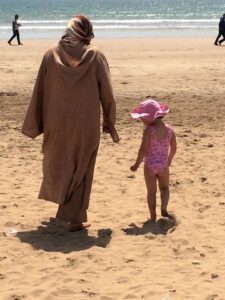
My beautiful daughter with her Moroccan grandma
EVE – ‘I first visited Morocco on holiday in 1999, when I was a young 19 year old, drawn by its rich history, vibrant culture, and stunning landscapes. From the bustling markets of Marrakech to the serene beauty of the Atlas Mountains, I was captivated by the country’s charm.
The warm hospitality of the Moroccan people made a lasting impression. After several trips back, I decided to immerse myself fully and moved there, living for several years, embracing the culture, trying to learn the language, and making lifelong friends. My time in Morocco was transformative, deepening my appreciation for its unique blend of tradition and modernity.’
The magic of Moroccan oils
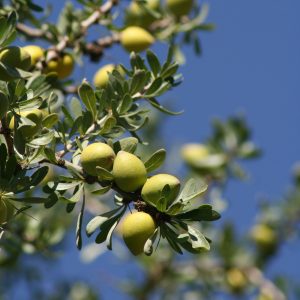
Argan oil: Known as ‘liquid gold’, argan is perhaps Morocco’s most famous beauty export. Extracted from the nuts of the argan tree, which is native to the southern regions of the country, this oil is rich in essential fatty acids, vitamin E, and antioxidants. Argan oil hydrates the skin, reduces inflammation, and improves skin elasticity, making it a staple in Moroccan skincare routines.
Prickly pear seed oil: Another prized oil, prickly pear, is extracted from the seeds of the prickly pear cactus. It is packed with vitamins E and K, essential fatty acids, and antioxidants. This luxurious oil helps to brighten the complexion, reduce dark spots, and fight the signs of ageing.
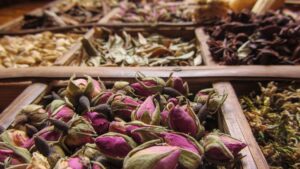
Rosewater: Produced from the petals of the Damask rose, rosewater is cherished for its soothing and hydrating properties. It’s often used in facial treatments as a toner to calm irritated skin, reduce redness, and provide a natural glow.
The Power of Moroccan clay
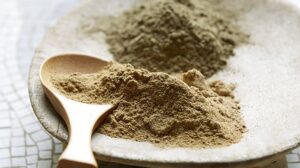
Ghassoul clay: Mined from the Atlas Mountains, ghassoul (also known as rhassoul) has been used for centuries in Moroccan beauty rituals. Rich in minerals like magnesium, silica, and potassium, ghassoul clay effectively detoxifies and exfoliates the skin.
It can be mixed with water or rosewater to create a rejuvenating face or hair mask that leaves both skin and hair feeling soft and revitalised.
Traditional Moroccan self-care rituals
The Hammam Experience: One of the most cherished Moroccan self-care practices is the hammam, a traditional steam bath. This ritual involves several steps: steaming to open the pores, exfoliating with a kessa glove and black soap (beldi), applying ghassoul clay, and finally hydrating the skin with argan oil. The hammam not only cleanses the body but also relaxes the mind and spirit, offering a holistic approach to wellbeing. Fancy a hammam? Why not try out our Moroccan Escape treatment!
Incorporate oils into your routine: Use argan or prickly pear seed oil as a daily moisturiser or night treatment. These oils can also be added to your hair care routine to nourish and protect your locks.
Clay mask: Integrate ghassoul clay into your weekly skincare regimen to detoxify and rejuvenate your skin. Mix the clay with water, rosewater, or even a little bit of argan oil for added benefits.
Relax and unwind: Embrace the holistic nature of Moroccan self-care by taking time to relax and pamper yourself. Whether it’s through a long bath, a massage with aromatic oils, or simply sitting quietly with a cup of tea, self-care is as much about mental wellbeing as it is about physical care.
Falling in love with Morocco goes beyond its stunning landscapes and rich culture – it’s also about embracing the country’s profound respect for natural beauty and self-care. By incorporating these Moroccan skincare secrets into your routine, you can experience the magic and tranquillity that have made these practices cherished for generations.


